Sales business case template: one page your buyer helps fill in
A sales business case sets the cost of the buyer’s problem against the cost of your solution, using numbers the buyer has agreed. The Solution Strategizer canvas is that case on one page in twelve boxes, filled in with the buyer in a fixed order. A free blank copy is below.
What the case has to do
Your champion takes the case into a room you are not in. Finance reads it there, and finance checks the numbers.
Wynter, which surveyed 100 CFOs and VPs of Finance at companies with $50M+ in revenue, reports that 58% don’t trust vendor ROI calculations (Wynter; the page gives neither fieldwork dates nor the base for the 58%). Challenger reports that 40-60% of lost deals end in no decision, from research on 2.5 million recorded sales conversations (Challenger).
So the case needs numbers the buyer supplied and can explain, and it needs to show what staying as they are costs.
A client faced with a price, who has yet to appreciate the cost of their problem, is unable to buy.
The template therefore starts with the problem and puts your price in the eleventh box of twelve.
What a one-page case gives you
With several people involved, they can come away with different pictures of the deal.
One page everyone agrees on
The problem and the proposed solution fit on one page that your contact, their boss, finance and your own team can each read in a few minutes.
The value is hard to get across to every stakeholder.
A story everyone can follow
The canvas shows the link between each part of the deal: the problem, what it costs, what the solution changes, and what that change costs. The argument can be followed from one box to the next, with less room for misinterpretation.
The template: twelve boxes on one page
Problem on the left, solution on the right, and three metrics boxes in the middle that measure both. The bottom row holds the two costs and the comparison. Here is what goes in each box, in Paul’s words.
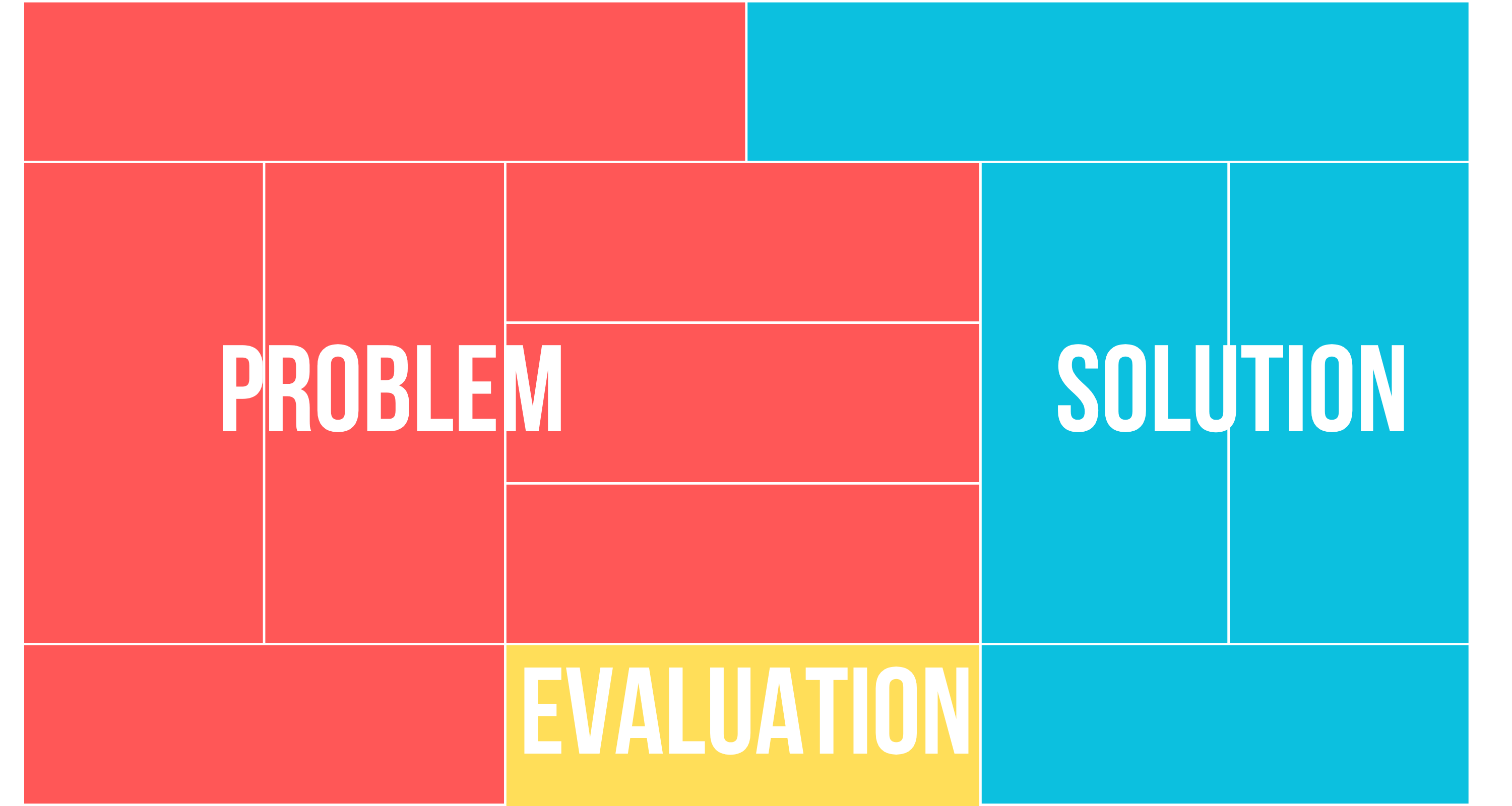
+ve = proceed -ve = stop
Get the blank canvas
A finance reader can check the cost side with a pen. The metrics boxes with a dollar figure add up to the cost of the problem, and the evaluation box is a subtraction.
Fill it in with the buyer, in this order
The order is the one in the 2023 book. Each figure should have a person on the buyer’s side who can confirm it. The toolkit has a page of questions to ask for each box.
Problem statement
A few sentences from the buyer’s point of view, with no product in them.
Objectives
The outcomes the buyer wants, each specific and measurable.
Requirements
What any solution must do (must) and would ideally do (should).
Business metrics
Measures that change the business, such as lost customers, write-offs or revenue.
Operational metrics
Measures that change the process, such as hours, delays and rework.
Product metrics
Measures of the work product itself, such as errors or complaints. A metric that cannot be priced stays on the page and out of the sum.
Cost of the problem
The metrics priced and added up, as a yearly figure.
Some figures will come from reports and some will be estimates. Working through them with the buyer is what makes them believable.
Solution statement
One or two sentences in the same plain style as the problem statement.
Services
What you will deliver, in the order it happens.
Value
How the services change the metrics above, in the same units, so each benefit lines up with a cost already on the page.
Cost of the solution
Your price. Yearly charges and one-off fees go on separate lines.
Evaluation
The cost of the problem minus the cost of the solution over the same period. When the solution removes only part of the problem, the sum uses the part it removes.
The difference is one input to the decision. The buyer will also weigh how soon the value arrives, the risk of the project, their other options (including doing nothing) and how sure they are of each number.
Cost of the problem, in plain terms
The cost of the problem is what the buyer pays each year to keep things as they are: staff time, write-offs, lost revenue, delays. It is the buyer’s figure, so it holds up when the buyer is asked about it and you are not there.
Most buyers do not have every figure to hand. Use reports where they exist, and where they do not, estimate or measure with the buyer. Mark which is which.
Add both costs over the same period, and mark each one as confirmed, estimate or guess, so the buyer can see which figures are still guesses beside the headline difference.
Using it on a live deal
Send the blank page ahead of the meeting, or fill in the problem boxes together on a call. Leave the solution boxes until the buyer has agreed the cost of the problem. Then bring your price, and send the finished page to your champion to take to finance.
The paid toolkit adds three worked examples in full: where each number came from, how sure it is, and the buyer’s other options.
Sources: Wynter, How CFOs and CTOs buy B2B software; Challenger, How to overcome customer indecision.
Get the free canvas
The blank canvas as a one-page download, sent to your inbox now. A few short emails follow over the next week or so, including a walk through the example canvas, and you can unsubscribe from any of them.